
About
Lindsay Fernandez
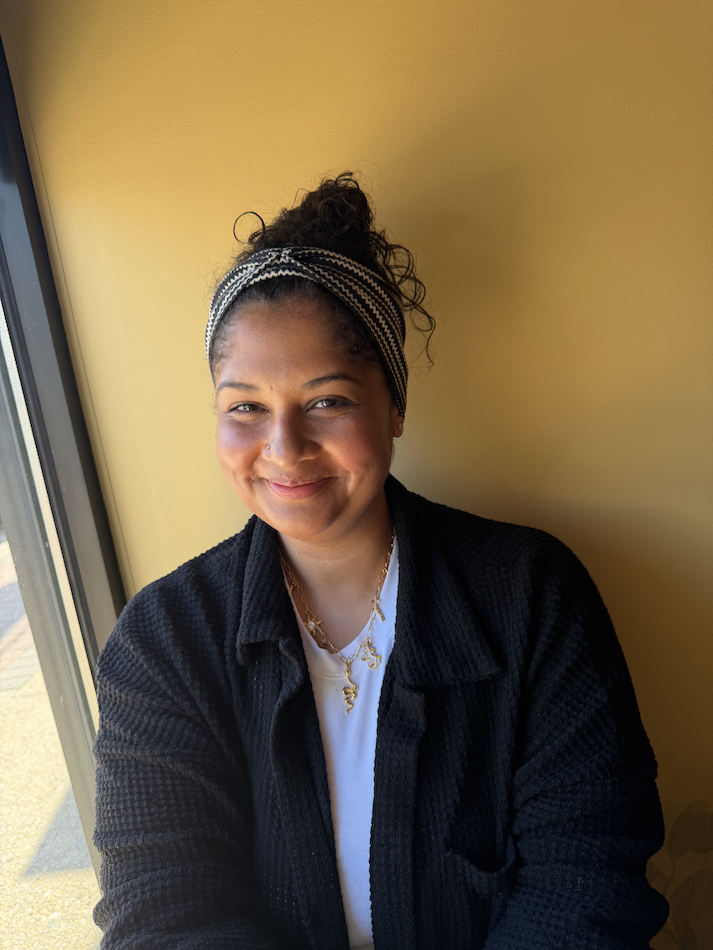
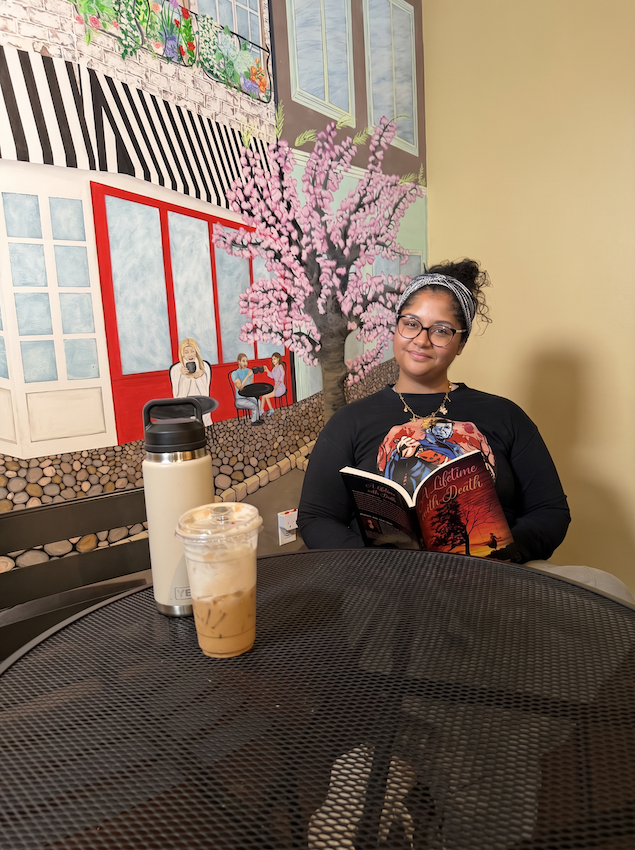
Human First. Therapist Second.
I’ve spent a lot of time thinking about what it means to be “professional” in this field.
For a long time, I thought it meant keeping parts of myself tucked away behind a polished bio and a neutral cardigan. But the truth is, I’m human first.
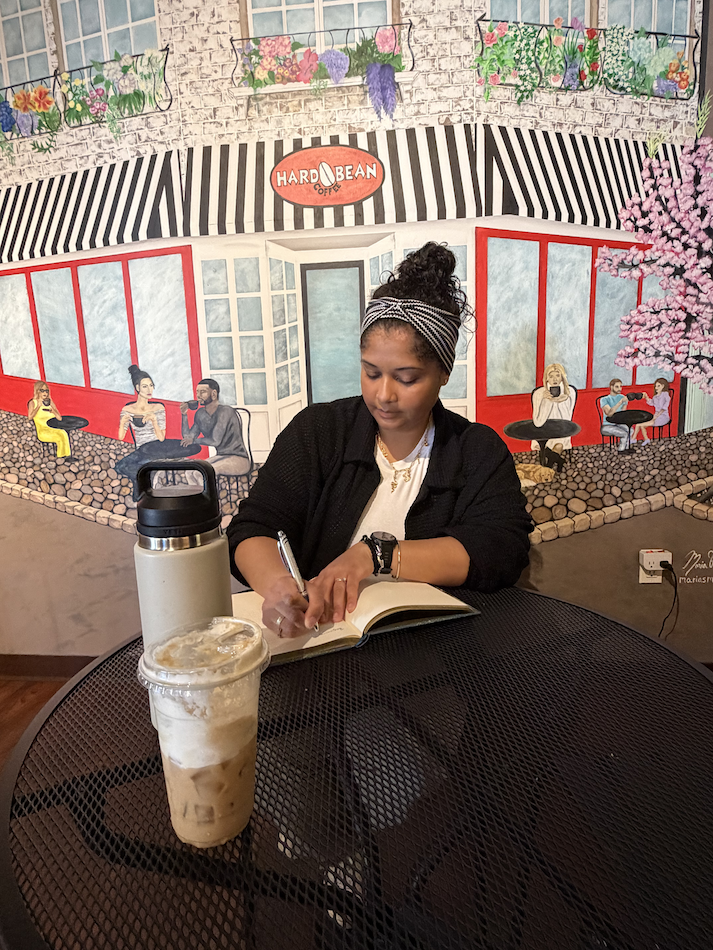
I’m someone who survives most days on coffee. Not in the cute, aesthetic way. In the very real “this is what gets me functioning” kind of way.
People sometimes ask what motivates me or what gets me up in the morning, and I think they expect a beautifully profound answer. Most days, it’s coffee. Sometimes it’s obligation. Sometimes it’s love. Sometimes it’s survival.
And honestly, I think many of us relate to that more than we admit.
I also have a dark sense of humor. The kind that develops when you’ve lived through hard things and learned that sometimes laughter and grief sit at the same table.
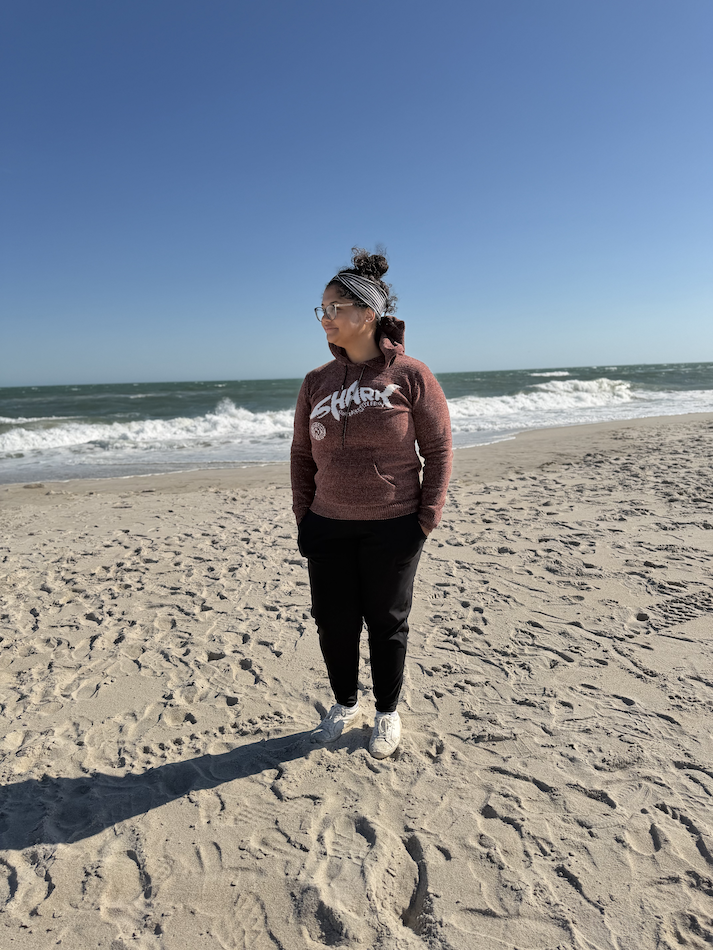
The Things Beneath the Surface
Outside of being a therapist, there are parts of me that are still deeply connected to the things I loved long before I entered this field.
I’ve been obsessed with sharks since I was a little girl. Every time my family went to Blockbuster, everyone already knew what movie I’d pick because it was almost always shark-related.
I don’t know exactly where the fascination came from, but I think part of me has always been drawn to things people fear and misunderstand.
To this day, when my family or friends are at the beach, there’s almost always a moment where I ask, “Do you think there are sharks in the water?” followed closely by, “Don’t go in too deep.”
I think that says a lot about me as a person too.
I’m observant. Protective. Aware of vulnerability. Always mindful of the things beneath the surface that other people may not immediately see.
That way of noticing deeply shapes the work I do.
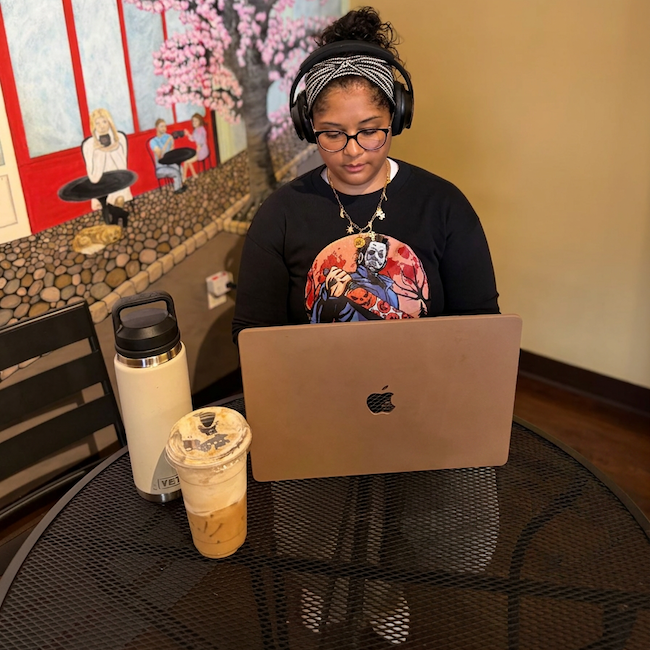
Grief Lives in Ordinary Things
And Michael Myers? That one belongs to my mom.
I wouldn’t consider myself a true horror fanatic, but when I was around 12 years old, my mom took my brothers and me to midnight premieres of the Halloween movies because she loved them. She was the real fan.
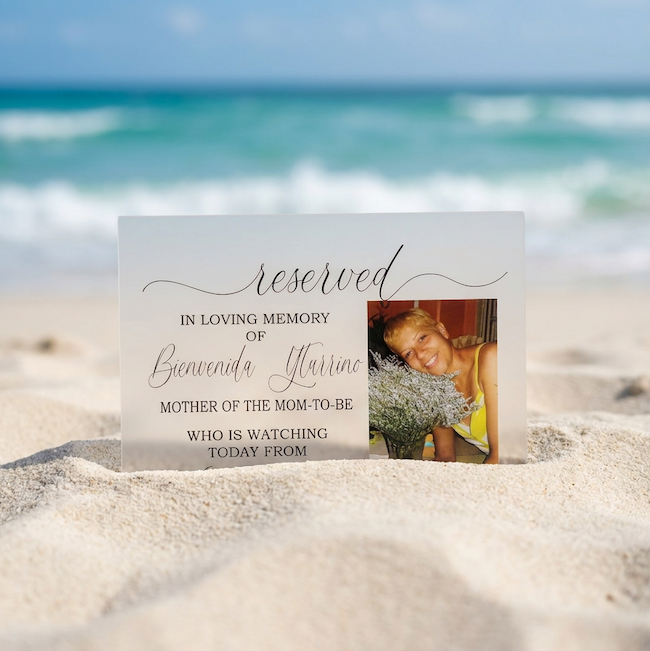
Since her passing in 2011, watching every new Michael Myers release together has become one of the small ways my brothers and I continue loving and remembering her.
Grief has a way of weaving itself into ordinary things. Movies. Traditions. Coffee runs. Music. Smells. Inside jokes.
That lived experience deeply shapes how I understand grief. It is not something that only shows up in obvious moments. It can live inside the rituals, relationships, memories, and ordinary pieces of life that still hold meaning.
How My Work Evolved
As I’ve moved through different chapters of my own life, my work has evolved alongside me.
I began by supporting caregivers and individuals impacted by chronic and life-altering conditions, including dementia-related illnesses, Parkinson’s disease, cancer, and other diagnoses that affect not only the person living with them, but the entire family system around them.
Over time, I found myself sitting more and more with grief.
Grief connected to death. Anticipatory grief. Caregiving exhaustion. Identity shifts. Relationship changes. Motherhood. Burnout. And the complicated emotions that come with loving someone through change.
From there, my work naturally expanded into supporting people through life transitions more broadly, especially the moments when life no longer feels familiar and you’re trying to figure out who you are within it all.
What ties my work together is this:
Grief is everywhere.
Sometimes it comes through death. Sometimes through change. Sometimes through becoming. And often, people are carrying far more than the world can see from the outside.
A Root Work Approach
My work is grounded in what I call Root Work.
Root Work is about looking beneath the surface of what is happening now and asking what older stories, patterns, relationships, and experiences may be shaping the present.
So often, people come into support carrying more than the immediate loss or transition in front of them. They may also be carrying childhood roles, family dynamics, old relationship wounds, pressure to hold everything together, or beliefs about what they are allowed to feel, need, or grieve.
Root Work is not about blaming the past. It is about understanding what has been carried forward with honesty and compassion.
In this work, we make space for the full person. Your grief. Your history. Your relationships. Your patterns. Your pain. Your humor. Your hope. Your unfinishedness.
Why Fit Matters
I also know that support can feel intimidating.
A lot of people come into this process unsure of what to expect. They worry they’ll say the wrong thing, be judged, or find out their pain is not “bad enough” to deserve care.
Sometimes the hardest part is simply acknowledging that you do not want to carry everything alone anymore.
I’ve also had my own experiences sitting across from therapists who simply did not get it. Therapists who felt disconnected from what I actually needed. Therapists who focused more on helping me “move on” from my past than helping me understand it. Therapists who responded with toxic positivity, clichés, or platitudes when I needed genuine human connection.
I know firsthand how lonely and disheartening that can feel.
That is why I often tell people that finding the right support can feel a lot like dating. Sometimes you have to meet a few people before you find the one that feels safe, aligned, and genuinely supportive.
The relationship matters.
Feeling understood matters.
How I Hold This Work
I see this work as a collaboration.
Not a space where I sit above you with all the answers, but a space where we work together to better understand your experiences, your pain, your patterns, your relationships, and the parts of yourself that may have been neglected along the way.
In a world that can be incredibly critical and harsh, I want this work to also be a place where we intentionally attune to the beauty in you, even if you have lost sight of it yourself.
A place where the hurting parts are met with compassion instead of shame.
A place where you are allowed to be human, complex, grieving, growing, overwhelmed, hopeful, angry, healing, and unfinished all at once.
Maybe that is why people connect with my work. Not because I have all the answers, but because I am willing to sit honestly in the messiness of being a person, too.
Key Differentiators
At Evolving Through Grief, I Believe


Life transitions offer an opportunity for growth + introspection.
Grief isn't just about death - it's part of any significant change.
Healing can happen in a safe, non-judgmental space.
You already have the inner strength to overcome any challenge.
Why Choose Me


Specialized expertise in transition-related grief
Flexible virtual group options
Evidence-based treatment methods
Personalized care tailored to your needs
Ready to Start Your Healing Journey?